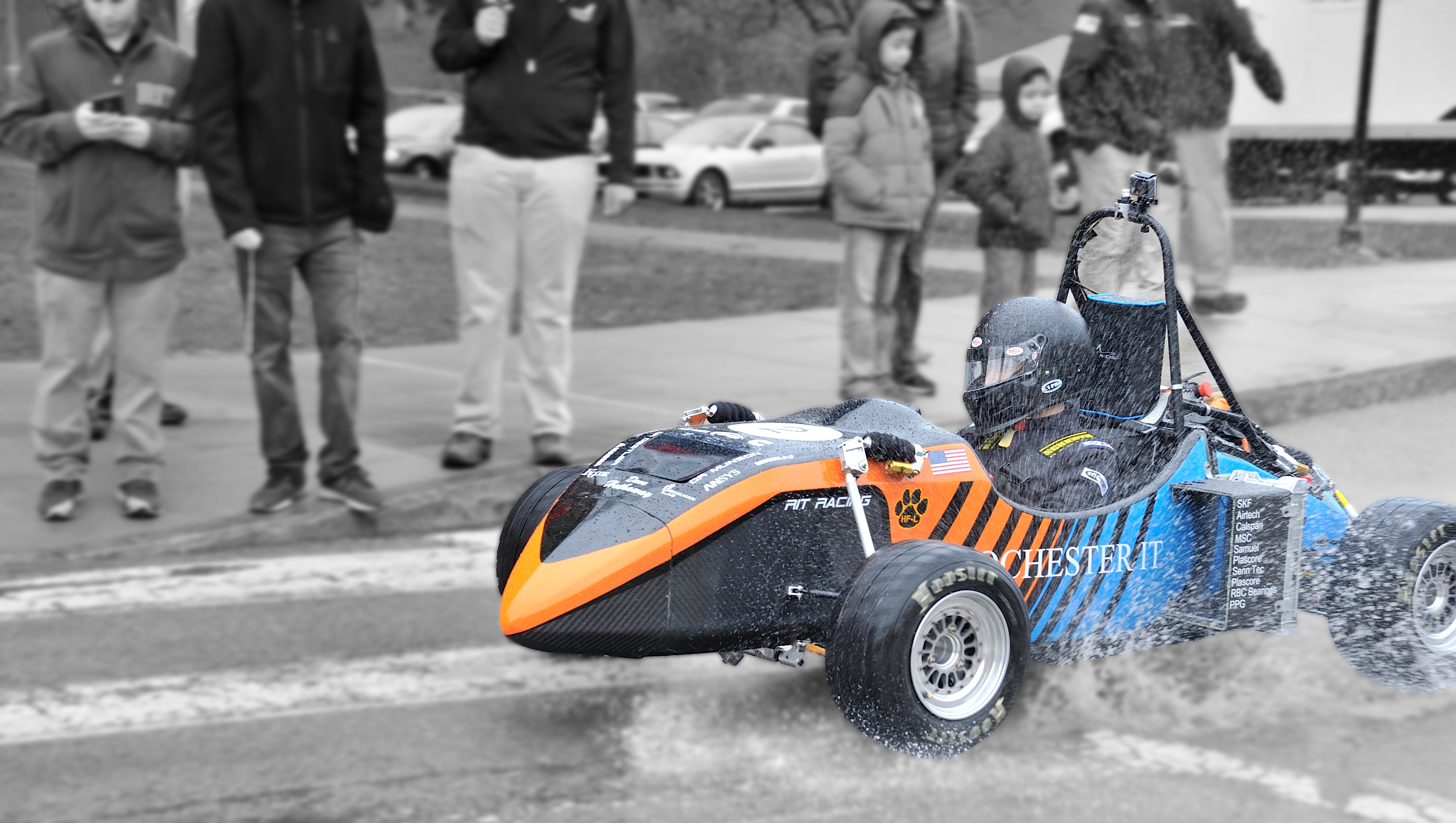
RIT's electric Formula SAE car driving through standing water at speed

Principal Software Engineer // Red Barn Robotics

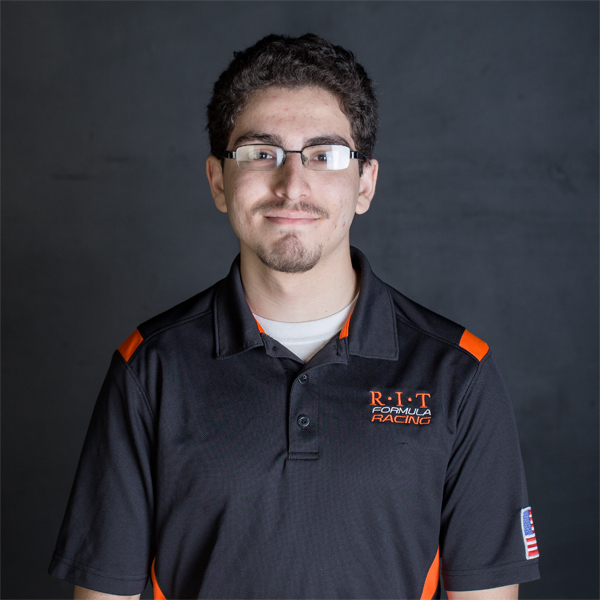
Hi, I'm Phill Kelner.

I build the software, electronics, and test systems for machines that have to work: satellites, rockets, race cars, and now farm robots.

Let's talk Download résumé

Photo: Mark Kelner

Phill Kelner smiling in front of Mount Rainier

About

I'm an electrical engineer who worked my way up the stack and, lately, right back down it. I started with wiring harnesses and dashboard PCBs on RIT's Formula SAE team, moved to hardware-in-the-loop test rigs as an intern at SpaceX and Tesla, then flight-software test at LeoStella, then Rust ground-support software for Amazon Leo (Project Kuiper) satellites.

The thread through all of it is test engineering. My favorite problems sit where hardware and software meet: the rigs, automation, and failure analysis that prove a machine works before it ships, launches, or rolls out into a farmer's field. I like systems that run right up to their limits, and I like knowing exactly how they'll fail.

Today I lead software and electronics for Fieldhand at Red Barn Robotics, an autonomous weeding robot for organic farms, where the work runs from Linux kernel drivers and PCB layout up to how the robot finds its way down a row.

Based in
Seattle, WA
Now
Red Barn Robotics
Focus
Test systems, embedded, Rust
Education
RIT, B.S. Electrical Engineering

Experience

  1. 2026 – now

    Red Barn Robotics Principal Software Engineer

    Leading software and hardware development for Fieldhand, an autonomous robot that weeds organic farms.

    • Developing autonomous row-following navigation that fuses RTK GPS, an IMU, and crop-row detections from forward- and downward-facing cameras, keeping the robot centered over the row in a field it has never scouted.
    • Brought up machine-vision cameras on NVIDIA Jetson, with Linux kernel driver work and Rust software that syncs exposure to strobe lighting for sharp, energy-efficient imaging.
    • Designed a Remote I/O PCB bridging the Jetson GPIO header to custom Red Barn electronics, from schematic through first-article assembly.
    • Rebuilt the simulator's kinematics as a bicycle model with a steerable front axle to match production geometry, and standardized Jetson bootstrapping for the production run.
  2. 2021 – 2025

    Amazon Leo (Project Kuiper) Software Development Engineer · Hardware Engineer

    Owned software for the Electrical Ground Support Equipment racks that test and process Amazon Leo satellites from flatsat through launch site.

    • Started out writing standardized libraries for common test-rack equipment like power supplies and DAQs. The job turned into software, and by 2023 the title followed.
    • Directed the rewrite of EGSE control software from Python to Rust for production-scale launches of dozens of satellites per mission.
    • Architected and delivered rack control software for flatsat testing, factory, and launch operations.
    • Defined the rack fleet's backend in AWS CDK as it grew past 100 racks: SSM-based host management, LDAP authentication, CloudWatch alarms on CPU, memory, and storage, and integration with internal networks.
    • Supported integration and mission-rehearsal campaigns, including on site at the launch of Kuiper's two prototype satellites in October 2023, and led failure investigations into telemetry streaming to cloud data stores.
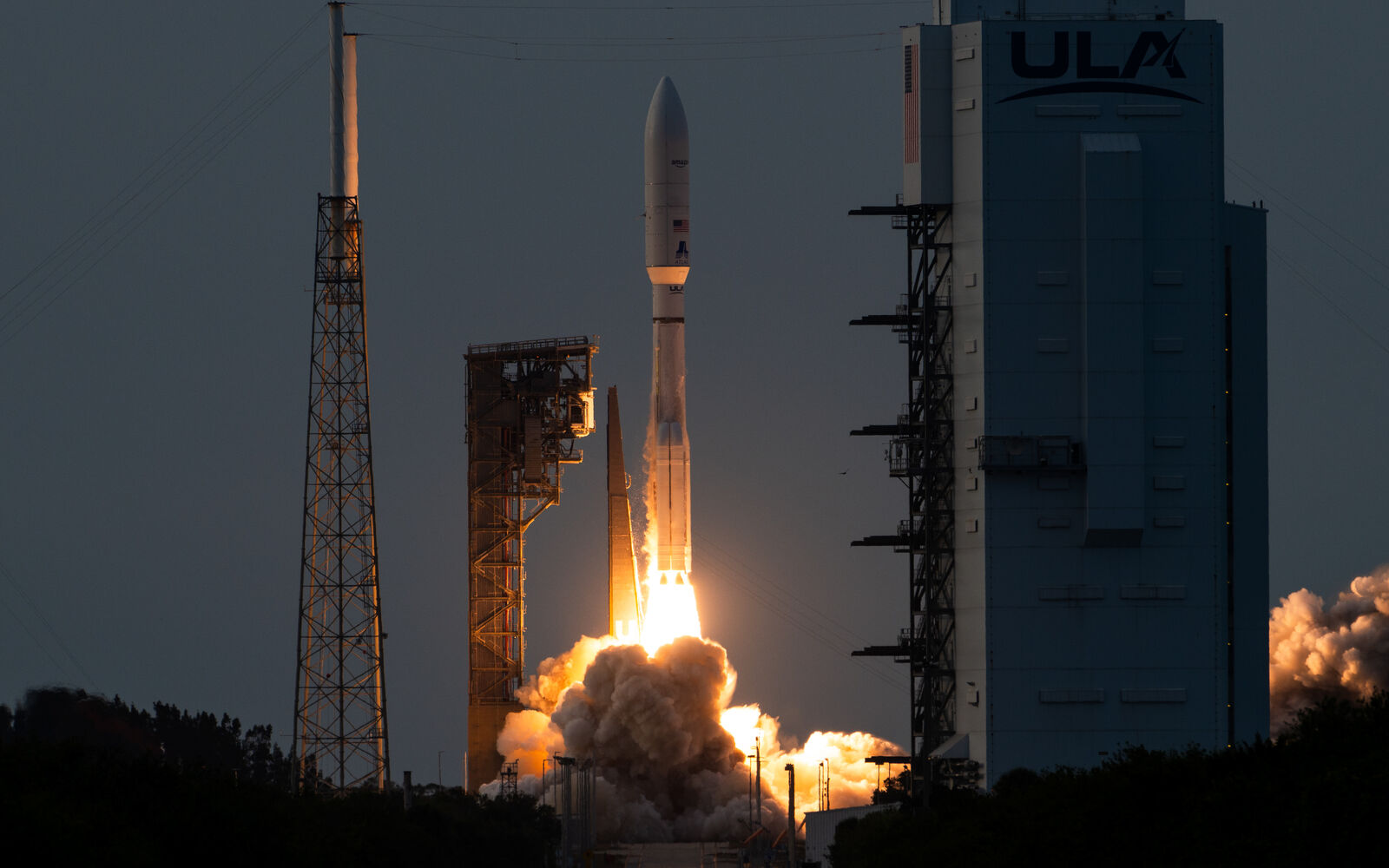
    An Atlas V rocket lifting off from Space Launch Complex 41 at dusk, carrying the first production Amazon Leo satellites
    Kuiper 1, the first production launch, April 2025. I worked its launch integration. U.S. Space Force photo by Senior Airman Spencer Contreras
  3. 2019 – 2021

    LeoStella Avionics Test Engineer

    Validated satellite flight software and ran the continuous integration that kept it honest.

    • Wrote the system tests for the first propulsion thruster control software, from FMEA through hardware-in-the-loop FlatSat validation.
    • Built a nightly Jenkins pipeline that containerized the test suite, deployed the latest build, and reported regressions to Slack.
    • Packaged flight computer, device, and environment emulators into a Docker image shipped to LeoStella's first external customer.
    More on the propulsion test campaign

    The thruster work started with a Failure Mode Effects Analysis of both the thruster unit and its control software. Every nominal behavior and every FMEA mitigation got a test. The same tests ran against virtualized flight computers, partially emulated ones, and the full hardware-in-the-loop FlatSat, which is also how we proved the in-house propulsion emulator matched the real unit's digital behavior and ICD. After on-orbit experience, I added further mitigations to flight software and tests to cover them.

  4. 2016, 2018

    SpaceX Starlink Test Engineering Intern · Avionics Intern

    Two internships: Dragon 2 avionics in 2016, and Starlink test engineering after graduating in 2018.

    • On Starlink, designed test PCBs that multiplexed voltage and current from multiple units onto a single DAQ, and assembled first iterations of hardware-in-the-loop fixtures around NI cRIO.
    • On Dragon 2, completed build-up and design revisions on the first Dragon 2 Support Rack, the DAQ, power, and ground-software rack used through integration, test, and launch.
    • Designed a portable test system (NI cDAQ, relay power switching, CAN, RS-422, Ethernet) that was later adapted for bare-metal firmware bring-up on the production line.
  5. 2015 – 2019

    Earlier

    • Spectralux, Contract Embedded Software Engineer (2019). Jenkins CI and ARINC 429 hardware-in-the-loop testing for DO-178C cockpit datalink avionics.
    • Tesla, Powerpack System Validation Intern (2017). Firmware validation, Robot Framework automation, and high-voltage testing.
    • BorgWarner Morse Systems, Test Engineering Intern (2015). Multiplexed sensor circuits and harnesses for engine-timing test cells.

Projects

2013 – 2018 // Project Manager, Electrical Engineer

RIT Formula SAE Racing

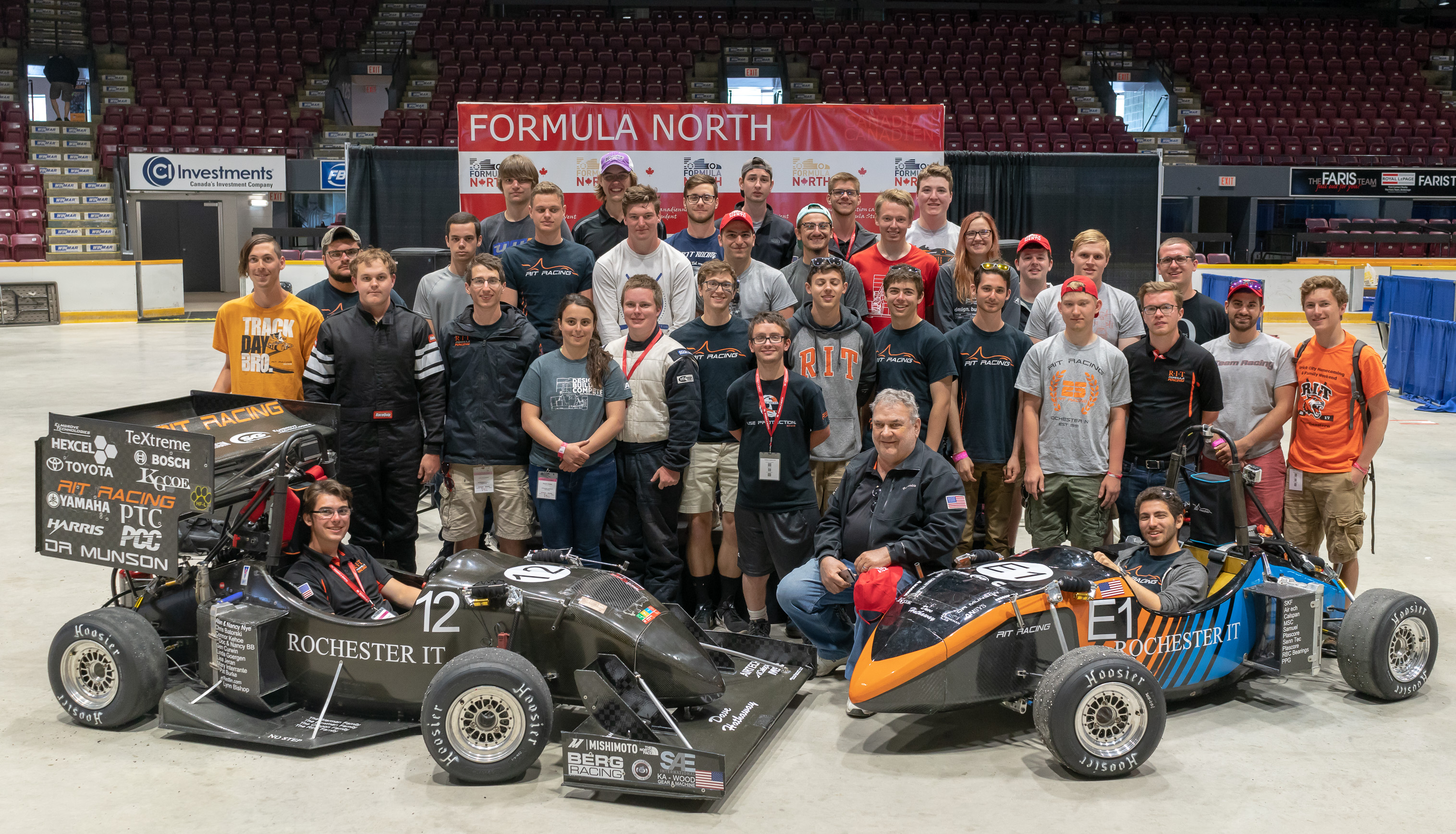
Five years on the team, ending as Project Manager for the 2017–18 season: finances, schedule, and faculty relations for 50+ people building a combustion car and the team's first electric car at the same time.

Before that I owned the car's electronics: a wiring harness redesign that put a permanent DAQ on the CAN network, a custom AT90CAN128 dashboard, and then a Raspberry Pi dashboard that handled shift control and carried over to the electric car.

2018 season
Formula North Electric2nd of 131st efficiency
Formula SAE Michigan16th of 1206th design
Formula North Combustion17th of 353rd design
Formula Student UK28th of 816th design
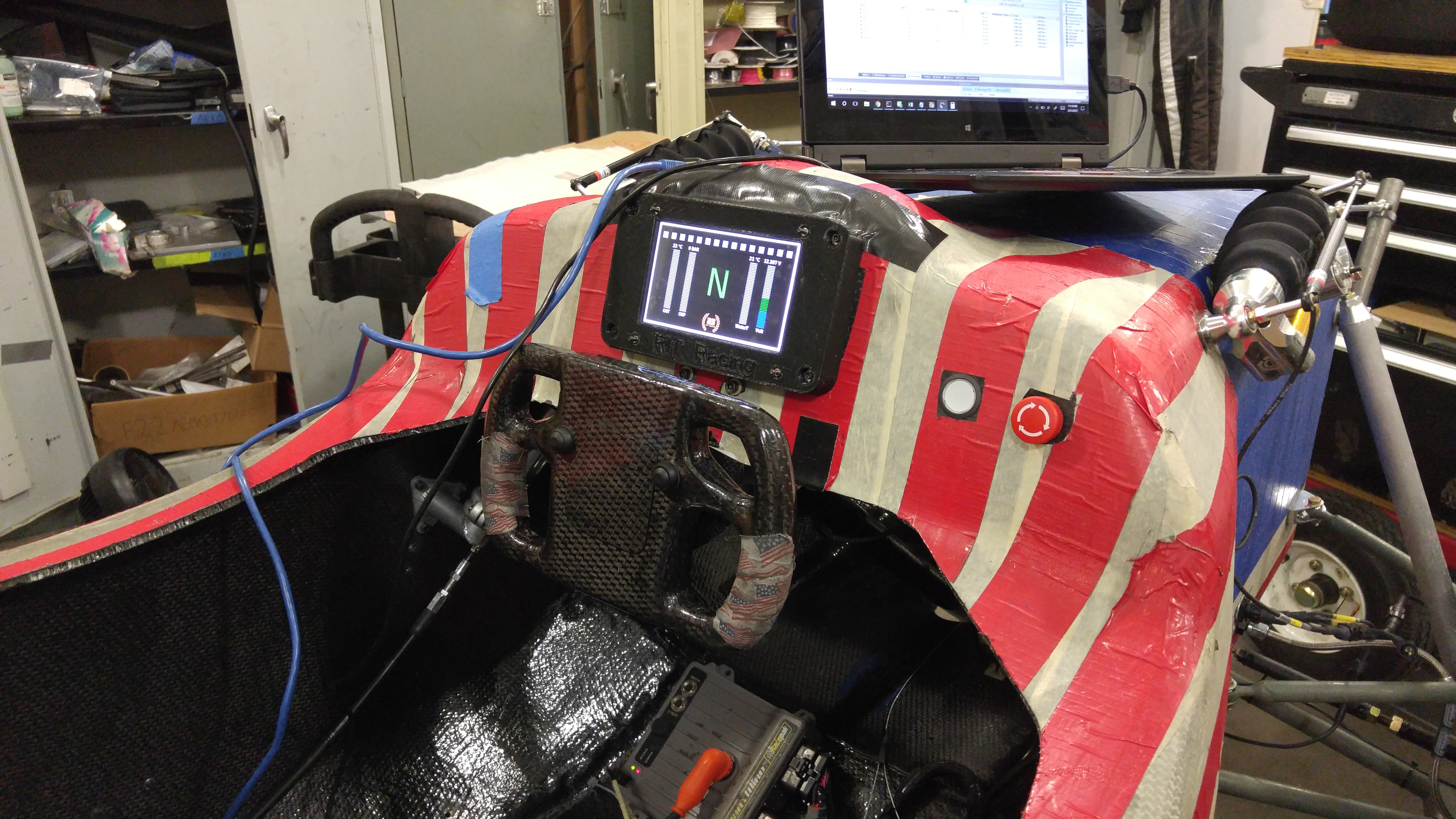
Raspberry Pi dashboard display mounted in the 2017 car

Raspberry Pi dashboard

Python CAN backend, JavaScript display, and time-critical shift control through the PDU and ECU. Raced on the 2017 and 2018 cars.

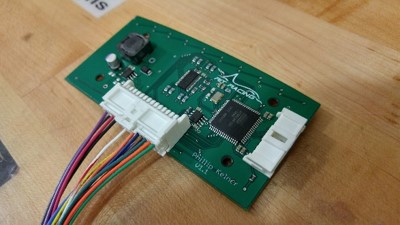
Custom dashboard PCB with shift-light LEDs

Embedded dashboard PCB

AT90CAN128 board with ten RGB shift lights, drawn in Eagle and programmed in C. Drivers timed shifts off it on the 2016 car.

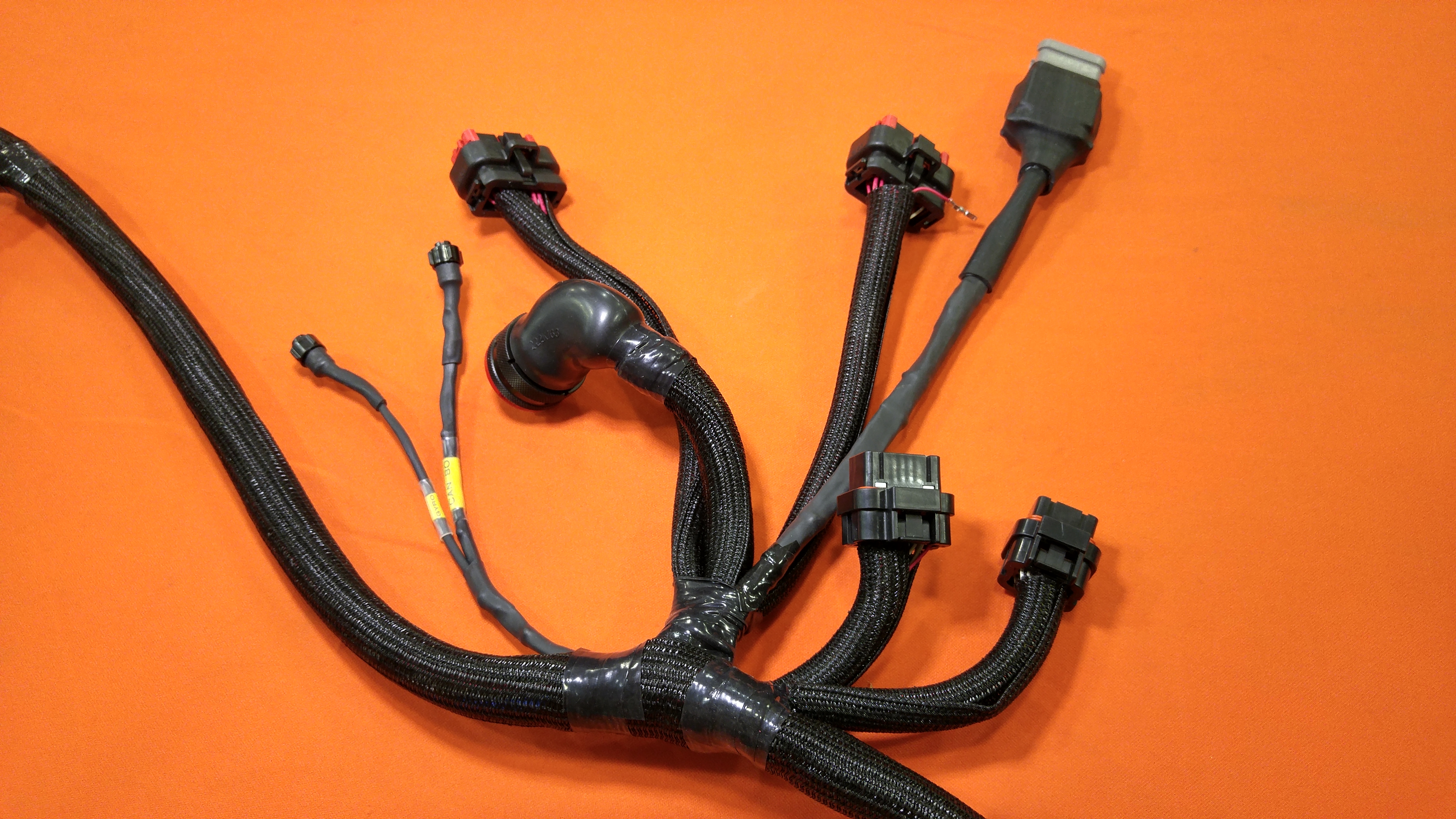
Primary controller branch of the car's wiring harness

Wiring harness

New schematic in PTC Creo, strain relief and fastening for reliability, and the team's first permanent data acquisition system.

Home lab

A Proxmox cluster self-hosting Home Assistant, Frigate NVR with OpenVINO detection, Pi-hole, and the Caddy server this page runs on, with local GPU voice control and UPS-aware shutdown.

Automated medication doser

A peristaltic pump and controller that delivers sub-milliliter doses of a dog's medication on a strict schedule, managed from a web interface. It started life as a 3D-printed syringe pump; redesigning around a peristaltic pump cut refills from once a day to once a week.

Wireless soil sensor

A battery-powered ESP32 node that reports plant moisture to Home Assistant, so the plants can complain on their own.

Let's talk.

Building something that has to work in the real world? I'd like to hear about it.

phill.kelner@gmail.com LinkedIn Résumé (PDF)